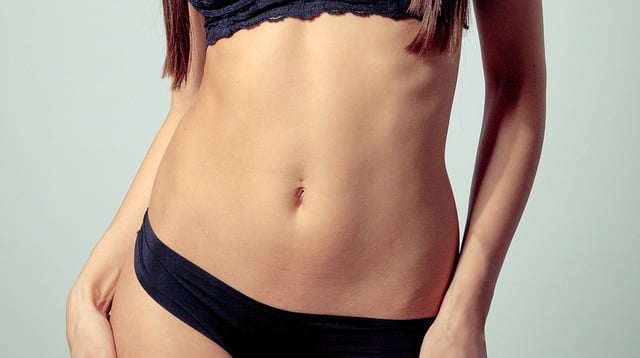
Managing body hair often becomes a practical part of weight loss. As body shape shifts, people may notice hair in new areas or want smoother skin for comfort and confidence. A clear, low-maintenance approach supports these goals alongside healthy eating and regular movement.
The link between weight changes and body hair concerns is rarely discussed, yet it affects many people. As the body becomes leaner, areas once less visible may draw more attention. At the same time, busy fitness routines can make frequent shaving or waxing feel inconvenient, which leads many to look for longer-term solutions that fit into an active lifestyle.
How Skin Changes During Weight Loss
During weight loss, the skin adjusts as the body’s shape changes. As the largest organ, skin responds to shifts in fat volume and structural support. Understanding these changes helps guide better skin care choices throughout the process.
Skin relies on collagen and elastin for strength and flexibility. When weight increases, skin stretches to accommodate growth. During weight loss, it needs time to contract. How well this happens depends on age, genetics, and the amount of weight lost.
Loose skin can appear after significant weight loss when stretched areas do not fully return to their original shape. Stretch marks may also become more noticeable as they fade from darker tones to lighter shades.
Hormonal changes also influence skin during weight loss. As fat cells shrink, hormone levels shift, which can affect oil production and lead to dryness or occasional breakouts.
For people following structured weight loss plans in London, laser hair removal treatments provided by specialist clinics offer a practical way to reduce ongoing grooming while supporting consistent health and fitness routines.
The Role of Collagen and Elastin
Collagen and elastin help determine how skin responds after stretching. Collagen provides firmness, while elastin allows skin to stretch and recover. Both decline naturally with age, which explains why skin may adjust more slowly later in life.
Nutrition supports these proteins. Vitamin C from fruits supports collagen formation. Minerals found in nuts, seeds, and legumes help maintain skin structure. Whole grains contribute nutrients that assist the body’s natural repair processes.
Adequate protein intake also supports collagen and elastin maintenance during weight loss. Protein provides the amino acids needed for skin structure and repair, which becomes important when the body adjusts to changes in fat and muscle mass. Consistent intake across meals helps support skin resilience as weight decreases.
Essential Skin Care Habits for Weight Loss Success
A consistent skin care routine supports the skin during weight loss. Simple daily habits influence comfort and appearance as the body changes. Gentle cleansing, regular moisturising, and protection from dryness form the foundation.
Reduced calorie intake can affect skin moisture levels. Mild cleansers help preserve natural oils, while moisturisers support hydration. Ingredients that attract and hold moisture help maintain balance.
Regular water intake supports skin barrier function, helping the skin retain moisture and remain resilient as the body adapts to weight loss. Hydration needs vary, so steady intake throughout the day plays an important role in maintaining comfort and overall skin balance during physical changes.
Gentle exfoliation a few times per week helps remove dead skin cells and supports circulation. This allows moisturisers to absorb more effectively without irritating the skin.
Moisture Balance and Barrier Protection
The skin barrier prevents moisture loss and protects against irritation. During weight loss, this barrier needs extra care. When compromised, skin can become dry and uncomfortable.
Applying moisturiser to slightly damp skin helps retain hydration. Layering lighter and richer products can offer added support for dry skin types.
Certain ingredients help maintain barrier strength. Research around ceramides and skin barrier health shows their role in supporting skin structure, while niacinamide helps calm irritation during periods of physical change.
Nutrition Choices That Benefit Both Weight and Skin
Diet choices influence both weight management and skin health. Foods that support skin elasticity can fit easily into weight loss plans.
Protein supports tissue repair and collagen production through diet, which plays a role in maintaining skin structure during weight loss. Lean sources fit well within structured plans and support both muscle and skin health.
Fruits and vegetables provide antioxidants that protect skin from environmental stress. Choosing a variety of colours ensures nutrient intake while keeping meals balanced.
Healthy fats support skin moisture and vitamin absorption. Moderate portions can be included within structured eating plans to support overall skin condition.
Professional Treatments Worth Considering
Some people choose additional support for skin concerns during weight loss. Professional treatments can address issues that home routines cannot fully manage, when combined with healthy habits.
Skin-tightening treatments aim to stimulate collagen production and may help mild to moderate looseness over time.
Clinic-based hair reduction procedures focus on reducing regrowth while protecting surrounding skin. Understanding hair growth cycles helps explain why multiple sessions are required to achieve lasting results.
It is usually best to consider professional treatments once weight has stabilised. This allows the skin to settle and helps ensure predictable outcomes.
Creating a Sustainable Skin-Friendly Weight Loss Plan
The pace of weight loss affects how skin adapts. Gradual loss allows the skin more time to adjust, reducing the likelihood of pronounced looseness.
Strength training supports skin appearance by building muscle beneath the skin. This improves structure and overall tone.
Building routines that can be maintained long term supports weight loss and skin health. Regular sleep, balanced meals, and recovery days help regulate hormones that influence skin condition. Sustainable habits reduce physical stress on the body, which supports more even skin adaptation over time.
Managing expectations remains important. Skin has natural limits, influenced by age, genetics, and weight history.
Balancing Rate of Weight Loss with Skin Adaptation
Steady progress supports better skin adjustment than rapid changes. Slower weight loss often allows skin to respond more effectively over time.
Stable daily routines support the skin during periods of change. Regular meal timing and consistent activity levels help the body adapt gradually, which reduces strain on the skin’s structure. This stability supports more predictable skin responses as weight changes.
Hydration remains central to this balance. Adequate water intake supports elasticity and comfort during physical changes.
Consistency matters. People who lose weight steadily and maintain their results often notice smoother skin adjustment than those who experience repeated fluctuations.
Weight loss affects more than body shape. It also influences how skin responds, feels, and adapts over time. Supporting skin health during weight loss means combining steady progress, balanced nutrition, consistent routines, and realistic expectations. When these elements work together, skin has a better chance to adjust comfortably alongside physical change. A thoughtful, long-term approach helps people stay focused on health, confidence, and everyday wellbeing throughout their journey.